Building a complex machine means building it twice. First, on paper, through requirements, designs, and simulations. Then, in the real world, where every part is tested and verified. Engineers call this the V-model, but it works only if what the team learns on one side of the V reaches the other.
In practice, each stage of the V runs on its own. Separate teams own requirements, simulation, and testing, and each produces its own data: written specs, sensor readings, test videos, telemetry. Ask “What went wrong in this test run?” or “How does this design change affect another component?” and engineers can spend hours downloading, organizing, and stitching together data. Even then, the context is gone. It lives in the reasoning behind a spec, in a footnote in a spreadsheet, and in a technician’s memory of the last time this happened. The challenge isn’t a lack of data, it’s the difficulty of connecting it.
That feedback loop is broken, and AI is widening the gap. Software teams use AI to build, test, and fix faster. A model can’t do the same for hardware, because the context it needs on why a design works and what a failed test meant last time isn’t written down anywhere it can read.
Nominal is designing the hardware intelligence platform to build, test, and operate the world’s most demanding machines, from autonomous ships and satellite constellations to hypersonic aircraft and nuclear microreactors. It connects directly to instruments and controllers, capturing rich data and context that have historically been fragmented across hardware programs. The result is a shared foundation that gives engineers and AI systems the necessary tools to move faster and tackle harder problems.
General-purpose AI wasn’t built for the physical world
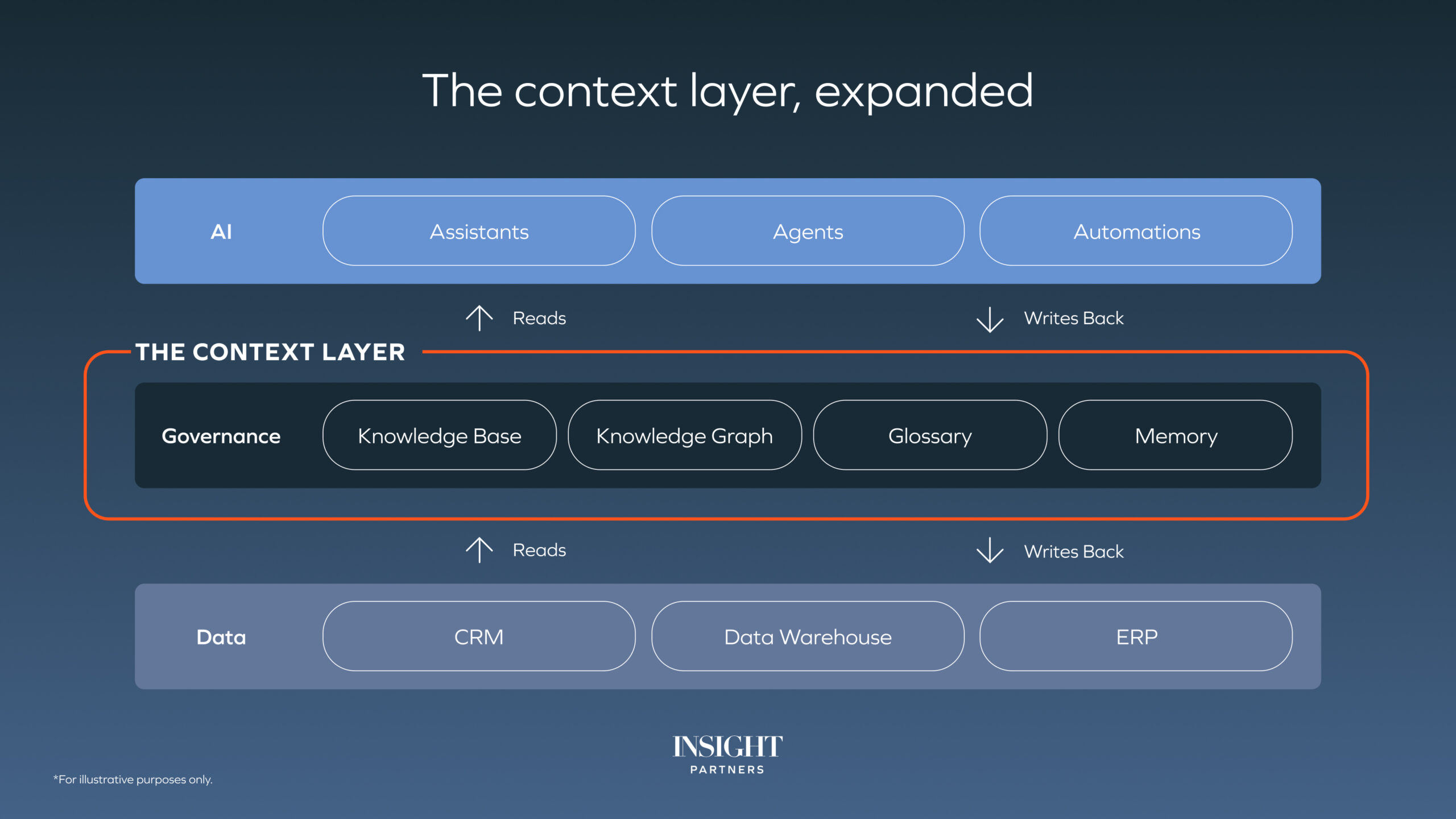
Software development got faster because AI has everything it needs in machine-readable form: code, documentation, tests, etc. Hardware is, well, harder. The context a model needs comes in various forms of test data, spec sheets, and engineers’ experience. Access to test data and spec sheets gives a model information. Context is knowing why a decision was made, which tradeoffs mattered, and how the pieces connect. As models become more capable and accessible, the context they’re given becomes the differentiator.
Historically, experience has separated the best hardware companies from everyone else. Knowing which designs hold up, which suppliers deliver, and which test results to worry about is hard for competitors to copy. In the AI era, that experience turns into context, but only if it’s captured. This is why having the right system for storing and analyzing hardware data matters. With a platform like Nominal, agents and engineers now have a context layer to begin answering complex questions.
We see the same pattern in other specialized fields. In legal, Insight portfolio company Legora is building around the precedent, client history, and judgment that define how lawyers work rather than layering AI onto existing legal software. The domains may differ, but the logic is the same: every domain needs its own intelligence platform.
Here is what that looks like in hardware: A test in the field goes awry. An agent can check historical logs to see when this happened before, suggest a fix, and flag potential downstream impacts. When an engineer approves the change, it becomes a part of the record, so the next program starts smarter. Knowledge compounds instead of walking out the door when experienced engineers move on.
The payoff goes beyond faster tests. As evidence builds across a program, engineers can spot patterns, collaborate across disciplines, and make better-informed decisions, while keeping control of the calls that need their judgment.
We’ve spent years backing the software that defines complex systems
Insight invested in Jama Software in 2018 as it built its requirements management and traceability platform. Today our portfolio includes CoLab for design review and BeyondMath for simulation, among many others. Working alongside these teams, we came to believe that, with the right data and context, hardware companies can finally use AI to build at the speed of software. Nominal is the system that makes that possible.
The team that has lived the problem
This is a hard problem to resolve, and it requires a team of people who have worked on it firsthand. We’ve had the privilege of knowing Cameron, Jason, and Bryce for the past few years and have seen them progress from a nimble team serving the next generation of hardware startups to partnering with industry powerhouses like Anduril Industries and HII. They bring experience pairing software with hardware intelligence, and it shows in how closely the platform follows the way engineers actually work.
We expect the best hardware programs of the next decade to run like learning systems. Every test, anomaly, and design decision feeds the next build, so the tenth program starts with everything the first nine taught. Competitors can copy a design, but they can’t copy years of accumulated evidence about why it works.
That opportunity is open to every company building complex machines, whether you are a new startup that can now capture context from the first test or an established one that is bringing decades of existing data into one place to put it to work.
The future of hardware looks different when built on Nominal, and we’re thrilled to partner with Cameron, Jason, Bryce, and the entire Nominal team by co-leading their Series C.
Note: Nominal, Jama Software, CoLab, BeyondMath, and Legora are Insight Partners portfolio companies.